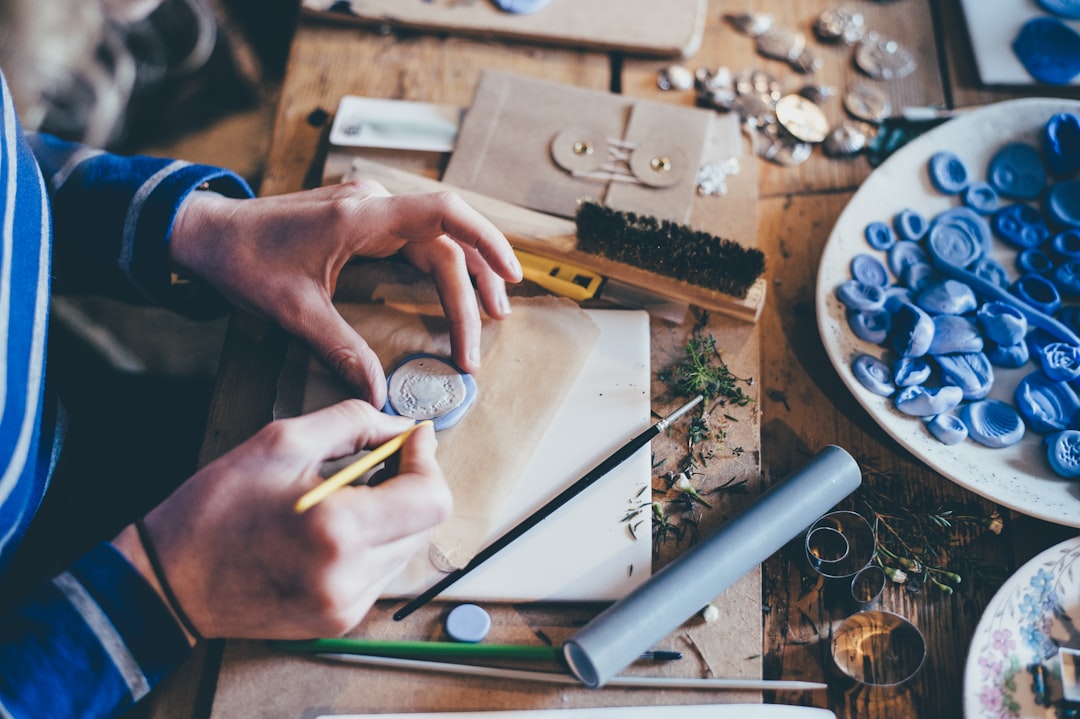
Wall art has the power to completely transform a space, adding personality, color, and visual interest to any room in your home. While purchasing expensive artwork is one option, creating your own handmade pieces offers a unique opportunity to customize your decor while expressing your creativity. In this comprehensive guide, we'll explore various techniques and ideas for creating stunning wall art that reflects your personal style.
Why Choose DIY Wall Art?
Creating your own wall art comes with numerous advantages. First and foremost, it's budget-friendly. Professional artwork can cost hundreds or even thousands of dollars, whereas DIY projects typically require only basic supplies that you may already have at home. Additionally, handmade art is completely customizable to your color scheme, size requirements, and aesthetic preferences. There's also something deeply satisfying about displaying art that you created with your own hands.
Essential Materials and Tools
Before diving into specific projects, let's review the basic materials you'll need. Canvas panels or stretched canvases are your foundation and come in various sizes to fit any wall space. Acrylic paints are ideal for beginners due to their quick drying time and easy cleanup. Invest in a variety of brush sizes, from fine detail brushes to large flat brushes for covering bigger areas. Don't forget painter's tape for creating clean lines and geometric designs.
Other useful supplies include palette knives for textured effects, spray paint for quick coverage, mod podge for collage work, and various embellishments like fabric scraps, scrapbook paper, or natural elements like pressed flowers and leaves. Having a drop cloth or old newspapers to protect your work surface is also essential.
Abstract Canvas Painting Technique
Abstract art is perfect for beginners because there are no rules. Start with a blank canvas and choose a color palette that complements your room. Three to five colors typically work well together. Apply your base color across the entire canvas using broad strokes. While the base is still slightly wet, add your accent colors in random patterns, allowing them to blend naturally at the edges.
Experiment with different application methods. Try dripping paint from above for a Jackson Pollock effect, or use a palette knife to create thick, textured strokes. Splattering paint with an old toothbrush adds dynamic energy to your piece. The key to successful abstract art is knowing when to stop. Step back frequently to assess your work and avoid overworking the canvas.
Mixed Media Collage Art
Mixed media art combines various materials and techniques to create layered, textural pieces. Begin by gathering materials such as magazine clippings, scrapbook paper, fabric scraps, photographs, and found objects. Start with a painted or stained background on your canvas. Once dry, arrange your collected materials in a composition that pleases your eye.
Use mod podge or gel medium to adhere paper elements to your canvas. Layer different textures and patterns to create depth and visual interest. You can add dimension by incorporating three-dimensional elements like buttons, ribbons, or small objects. Finish your piece with a protective coat of varnish to seal everything in place and add a professional sheen.
Geometric Wall Art
Geometric designs create a modern, sophisticated look that works well in contemporary spaces. The beauty of geometric art lies in its precision and clean lines. Start by sketching your design lightly in pencil on your canvas. Use painter's tape to mask off sections you want to keep paint-free. This technique allows you to create sharp, clean edges between color blocks.
Paint each section in your chosen colors, allowing each area to dry completely before removing the tape. Metallic gold or copper paint can add an elegant touch to geometric designs. Consider creating a series of three or more canvases with complementary geometric patterns to create a gallery wall effect.
Nature-Inspired Botanical Art
Bringing elements of nature indoors through botanical art creates a calming, organic atmosphere. Pressed flowers and leaves can be arranged and adhered to canvas or heavy paper to create beautiful specimens worthy of display. Alternatively, create painted botanical illustrations using reference photos or real plants as models.
For a simple but striking effect, paint your canvas a solid background color and use a darker shade to paint simple silhouettes of leaves, branches, or flowers. This monochromatic approach is both elegant and easy to execute, even for those who don't consider themselves artists.
Typography and Quote Art
Inspirational quotes or meaningful words can make powerful wall art. Choose a quote that resonates with you and select a font style that matches your decor aesthetic. You can hand-letter the quote if you're confident in your penmanship, or create a stencil using a computer printer and transfer paper.
Paint your canvas background first, allowing it to dry completely. Then add your lettering in a contrasting color. Embellish around the words with simple decorative elements like flowers, geometric shapes, or abstract patterns. This personalized art makes wonderful gifts and adds a meaningful touch to any space.
Finishing and Displaying Your Art
Once your artwork is complete and fully dry, consider applying a protective varnish to preserve your work and make it easier to clean. Choose between matte, satin, or glossy finishes depending on your preference. Allow the varnish to dry completely according to manufacturer instructions before hanging.
When hanging your art, consider the height and placement carefully. The center of your artwork should be at eye level, typically around 57 to 60 inches from the floor. For gallery walls featuring multiple pieces, lay out your arrangement on the floor first to plan the spacing and composition before hanging.
Conclusion
Creating your own wall art is a rewarding project that combines creativity with home improvement. Whether you choose abstract painting, mixed media collage, geometric designs, botanical art, or typography, the key is to have fun and let your personal style shine through. Don't be afraid to experiment with different techniques and materials. Remember that mistakes often lead to the most interesting artistic discoveries. Start with one piece and build your confidence from there. Before you know it, you'll have a collection of handmade art that makes your house truly feel like home.